Christianity Was Here Before Me
Christianity did not start with me or with my parents or with the churches that exist today. The church has existed for hundreds and hundreds of years. When I planted a church in 2010, I remember coming into the community of Spring Branch knowing that there were churches already there and had been there for at least 150 years. Christians have started to believe that if it does not look fresh and new, we feel like if people will not get the message of the gospel. I think we have done a disservice to the simplest message there is. We must keep in mind that there have been believers before us who have laid a foundation and maybe even planted the seed of the good news. We mess up when we don’t just water the garden with love, care and good news. Christianity, for sure, did not start with me.
A Church Tradition Without “Tradition”
Because I grew up in a church tradition with no “tradition,” I was never exposed to the church calendar. Things like Advent, Lent, and other days that should have been remembered were often forgotten. Well, Pentecost Sunday was always remembered. My parents raised us pentecostal, after all. That is not to say that pentecostals don’t practice the church calendar, but the stream of pentecostalism that I grew up in did not. Looking back at the years that have gone by and seeing the rich church history there is, I know I am part, a little part, of something big, something huge. Christians after Christians after churches after churches have gone before me and any other church that will be planted by a team of believers or by anyone else must recognize this. The danger of being a church that despises, or at the very least forgets, church history and church tradition is that it results in pride and legalism. Pride, because “we have all the answers.” Legalism, because “you must do it our way.”
Man-Made Traditions vs. God-Glorifying Traditions
Of course, there are traditions that are bad and human-made. They get weird and mystical. Paul writes about these human traditions. See Colossians 2:8. But, to use verses like that and argue against church traditions that have gone on for centuries is incorrect. When Paul talks about tradition and speaks negatively about them, he is pointing out the philosophy and deceit that comes from man-made ideas, traditions that do not arise from Biblical implications. These traditions that Paul talks negatively about are different than the practices (which became tradition) that the church started to do in her early years; practices that have become tradition, are rooted in Scripture and give glory to God.
A Passionate and Exciting Spiritual Walk
In my spiritual walk, I have been learning a lot the past few years. Recognizing that I am not the only Christian or that our church is not the only church with “the answer,” but that I am part of a larger body of Christian believers, I have come to appreciate tradition. Some say that “tradition” kills the spirit. To them, the spirit is a force and not God Himself. That is an error. If you believe that the spirit is God, any tradition, ritual or spiritual discipline that you do for His glory will not “kill Him.” Killing the spirit does not equate “grieving the Spirit.” We must note that we grieve the spirit of God only when we sin, not when we practice a spiritual discipline such as reading a devotional to draw us closer to Him. As “dry” as some may think that the practice of reading a written prayer is, those prayers written by Christians who’ve lived before us do honor God. As “boring” as some may think that being silent in prayer before God is, it is in those silent moments that God speaks. We must learn to stop talking for a bit and start listening to Him. Yes, He is a giver of things, but when we recognize that He has given us enough already, His Son, all we can do and should do is stay silent before Him much more than blab out our list of needs. What has been sold as dry and boring spirituality is actually a passionate and exciting way to live out our spiritual disciplines.
Joyful Discoveries
It has been a few years that my wife and I started taking note of the church calendar. Discovering Advent season was huge for our marriage. Time to slow down, read Scripture and pray as we waited for the arrival of Christ as a baby was refreshing for us. We also discovered and embraced the practice of Sabbath. Although not always done “perfectly” (thank God for His grace!), my wife and I would turn off all distractions and spend time together in God’s word, cook good food, bake a cake, read fiction, smoke a cigar (that was all me) and rested. We still do this on Fridays. These practices, these times of waiting and rest, have brought us closer to Christ and have filled our hearts and home with joy.
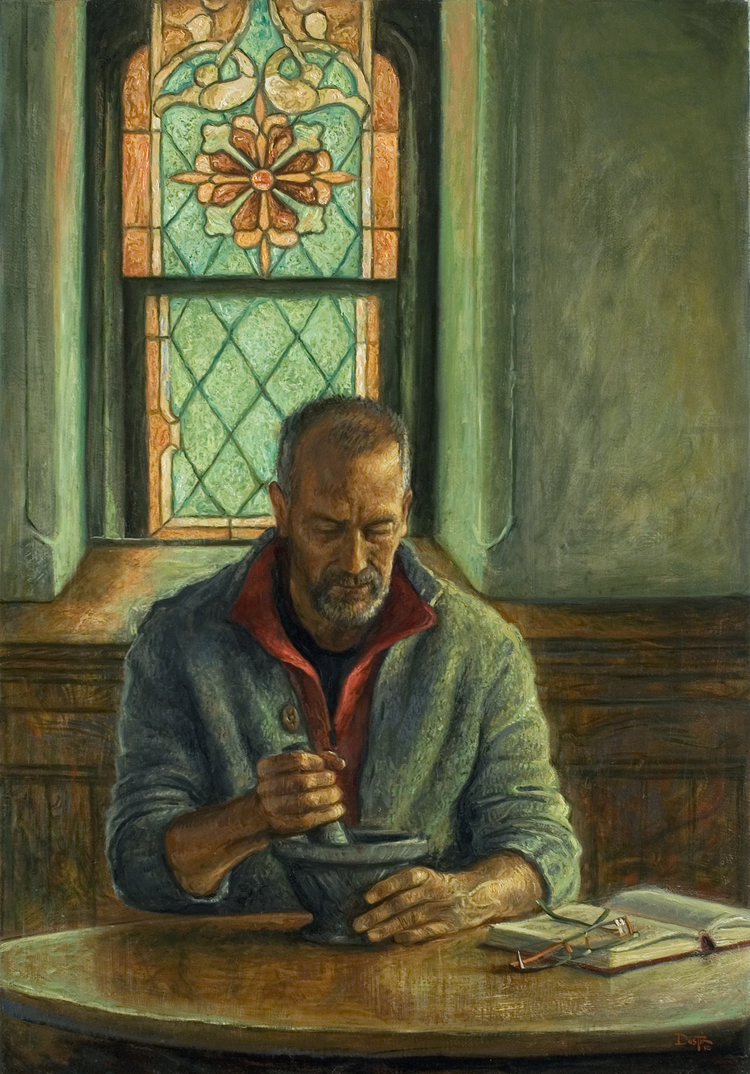
Ash Wednesday by Dustin Neece
Last year we embraced Lent season. In a few days, I will let you know of what we are doing as a family. Lent is a season of forty days that happen every year as Christians remember Christ’s death and resurrection. Lent was practiced by the early Christians as early as the fourth century. This season is a time where we remember that we are dust and that we are sinful. Lent is a time where we reflect on Christ and His cross. It is a season where we ask Christ to keep us near. Of course, Christians do this every day of the year, but Lent is a time where the Church as a whole strives to give it first importance. In these forty days, people are encouraged to fast from food and abstain from things that may distract them or keep them from focusing on repentance and on drawing near to Christ. More than giving up stuff and saying the same usual “I’m giving up lent for lent” joke, Lent transcends our petty consumerism and sometimes prideful fasting and takes us to a deeper union with Christ. Oh, how beautiful it is there. Whether you “do well” this Lent season or get frustrated because you did not, make sure that you stay close to Christ. There is no judgement from Him. He embraces you and me, faults and all.
As you can tell, our family is slowly easing into the traditions that Christians have practiced throughout the centuries. Not because there is something magical and mystical in them, but because there is something, actually a lot, to be said of things that have stood the test of time.
A People Who Listen, Rest and Leave a Legacy
My hope is that one day the church, at least our church plant and other churches in the city, could be a people who listen to others, who learn how to rest in God and who live quiet lives, leaving a legacy for our children and children’s children. It starts with bringing the rhythms that believers have done for hundreds of years into our lives. It starts with slowly easing into something that is stable and fruitful. It starts with me actually doing it. There’s lots of rest to be had if people join in.
Here are a few resources you could read on Lent:
- Lent is About the Gospel (Gospel-Centered Discipleship Article)
- Why Bother with Lent? (Gospel Coalition Article)
- Ash Wednesday and Lent (Coram Deo Church’s “Wednesday Conversation” Podcast)


 “
“
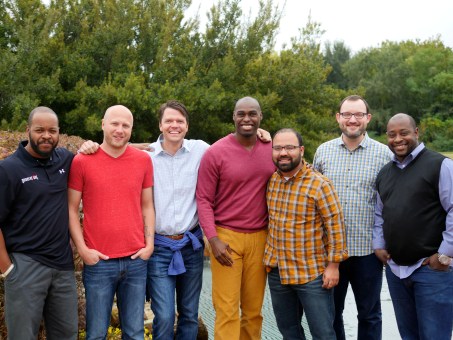 The Houston Church Planting Network is a fully funded residency that is giving seven men the time with key leaders and pastors in the city during the week to speak into things they need help in and has a system of soul care for church planters that often gets overlooked in the church planting process, preparing them to plant churches in Houston. I am glad to be part of this year’s group. That has been my life in the past 5 months.
 Tony Villatoro